About Urla
Urla Photo Gallery

Urla Antik Gemi onarım merkezine sahiptir.

Urla iklimi nedeniyle yelkencilik alanında önemli bir yere sahiptir.

Çeşmealtı körfezi görülmeye değerdir

2600 yıllık antik zeytinyağ işliğiyle önemli bir yere sahiptir.
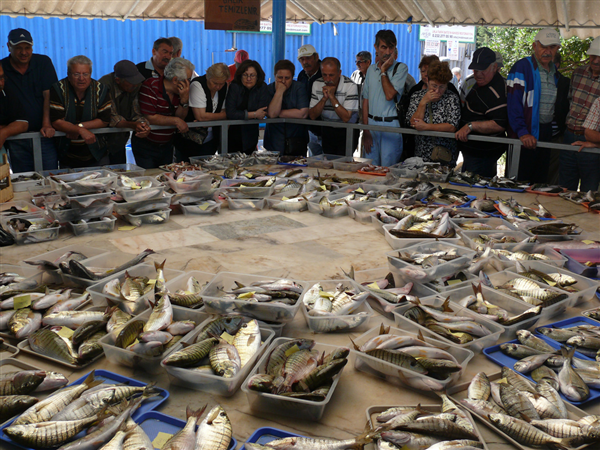
Değişik yerlerde balık mezatları kurulmaktadır.
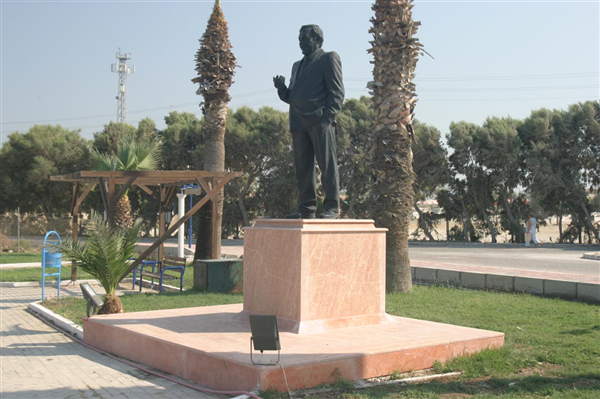
Ünlü sanatçımız Tanju Okan Urla'da yaşamıştır ve adına bir park vardır.

Antik çağdan kalan Hamam da kazı çalışmaları bitmiştir. Hamam ziyarete açılacaktır.

Urla'da heryerden denize girilebilir.

İskele mevkiinin gecesinin de gündüzünün de manzarası harikadır.

360 derece Tarih araştırmaları derneğinin çalışmaları sürmektedir.

Malgaca (Mal kaça?) pazarının önemi farklıdır.

İskele'deki balıkçı barınaklarımız.

Cumhuriyet alanımız.

Urla rüzgarı sörfçüler için bulunmaz nimettir.

Belediye binamız.
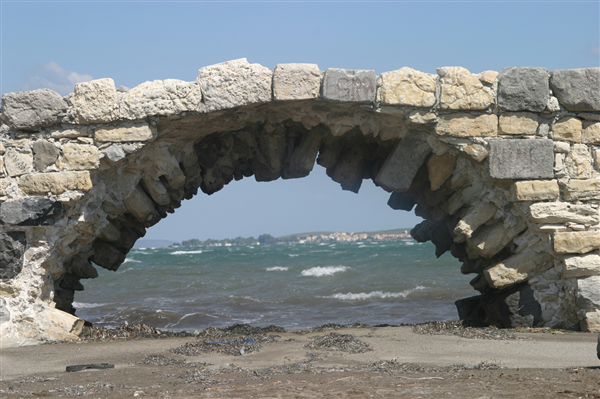
Antik çağ kalıntılarını heryerde görebiliriz.

Kültür Bakanlığı tarafından kazı çalışmaları devam etmektedir.

Dünyada üç tane bulunan (Amerika, Hırvatistan ve Urla) Tahaffuzhanelerden yalnız Urla'daki çalışabilirbilir durumdadır.
It is very important with its historical and archeological values besides its natural beauties.
Limantepe excavations have shown that Urla is an old Ionian city, Klazomenai. Here is the oldest port of the world used extensively. Klazomenai was very rich due to the production of olive and olive oil, In the year 6000 he made his trade by sea. The excavations here reveal probably the world's oldest, advanced and high-capacity olive oil business. In this work, there are cylindrical presses and triple olive oil separation reservoirs. This shows that the olive processing in Anatolia is very ahead of its time.
The second important stop is the shipyard, which is being organized as an archeopark. Underground excavations started in 2000 BC. The ship and its boats, which date back to 6000 and are known as the world's oldest, were found. One of the most exciting activities in the park is to replicate these ships. Once the projects are completed, tourists will be able to take a journey towards these tours.
The island of Karantina, which has a historical value, is also one of the important places in Urla. This island is connected to Urla via a land. Here, in 1865, the Ottomans had a full-fledged tahaffuzi built by the French, and continued to function until 1950. The passengers who boarded the ship were taken in the locker room and undressed and washed in private showers. The dresses were washed and sanitized in 360 degree tanks.
Urla's economy is based on agriculture; most olives are produced - all Urla has 600,000 olive trees. In addition to this, there is vegetable-especially red-eyed okra and artichoke-citrus, vineyards and greenhouses.
Along the Urla beaches, more than 200 tons of fish are caught.
Urla is proud to host two important literary personalities. The most famous novel writer is Necati Cumalı. The second one is the Nobel Prize-winning Yorga Seferisti. A coincidence series Necati Cumali came to Greece at the age of 14 and settled in Urla, while Yorga Seferis left Urla at 14 and went to Greece.